Patterns aren't just visual—they're felt in the body. But first, let’s really define pattern as the elements in our environment that repeat in ways our nervous system can track, predict, and either find safety in or feel overwhelmed by.
Have you ever really stopped and noticed patterns in your environment? In your daily routines? In the art hanging on your walls? And have you taken it a step further and realized all these patterns make you feel something? Maybe it’s the calm that quiets your mind while going about your morning skincare cycle. Or perhaps its being moved by an art piece with flowing lines that you just thrifted from the local antique shop. Your nervous system is picking up on all these things you are seeing and doing. And it’s storing them as information.
The Science of Pattern Recognition & Why Routine Feels Good
Our nervous systems learn to either regulate or dysregulate based on the patterns around us.
Based on polyvagal theory, our autonomic nervous system is constantly asking the questions, “ is this familiar?”, “is this safe?”. And familiarity tends to equal safety. When we are in our daily routines, our internal systems instantly recognize them as familiar, hence why so many of us constantly speak of needing a routine and feeling better when we have one. Case in point, ever come back from vacation, and as hard as it may feel to not be on a beach any longer, you realize pretty quickly how badly you needed a routine to feel grounded again? Yeah, that is your nervous system speaking loud and clear. Listen to it.
When the nervous system recognizes patterns, it activates the ventral vagal system, which promotes calm and safety. This is why having the same breakfast at the same time, after the same yoga routine feels so calming and good.
The design of a pattern is not only visual. It is how we move through our days, too. And sometimes, as life would have it, our routines get disrupted. Do you remember how you felt the last time that happened? Did your shoulders tense? Did you start overthinking?
On the flip side, patterns and routines can even become cages of sorts when they are too rigid. It can be a good idea of be aware of the idea of flow versus structure when creating routines for yourself. Stick to patterns that guide without confining. You can even create modified versions of routines to account for those days where there just isn’t enough time so you have to stick to what matters most. And that is completely okay.
Patterns in the Everyday (Home/Visual Design)
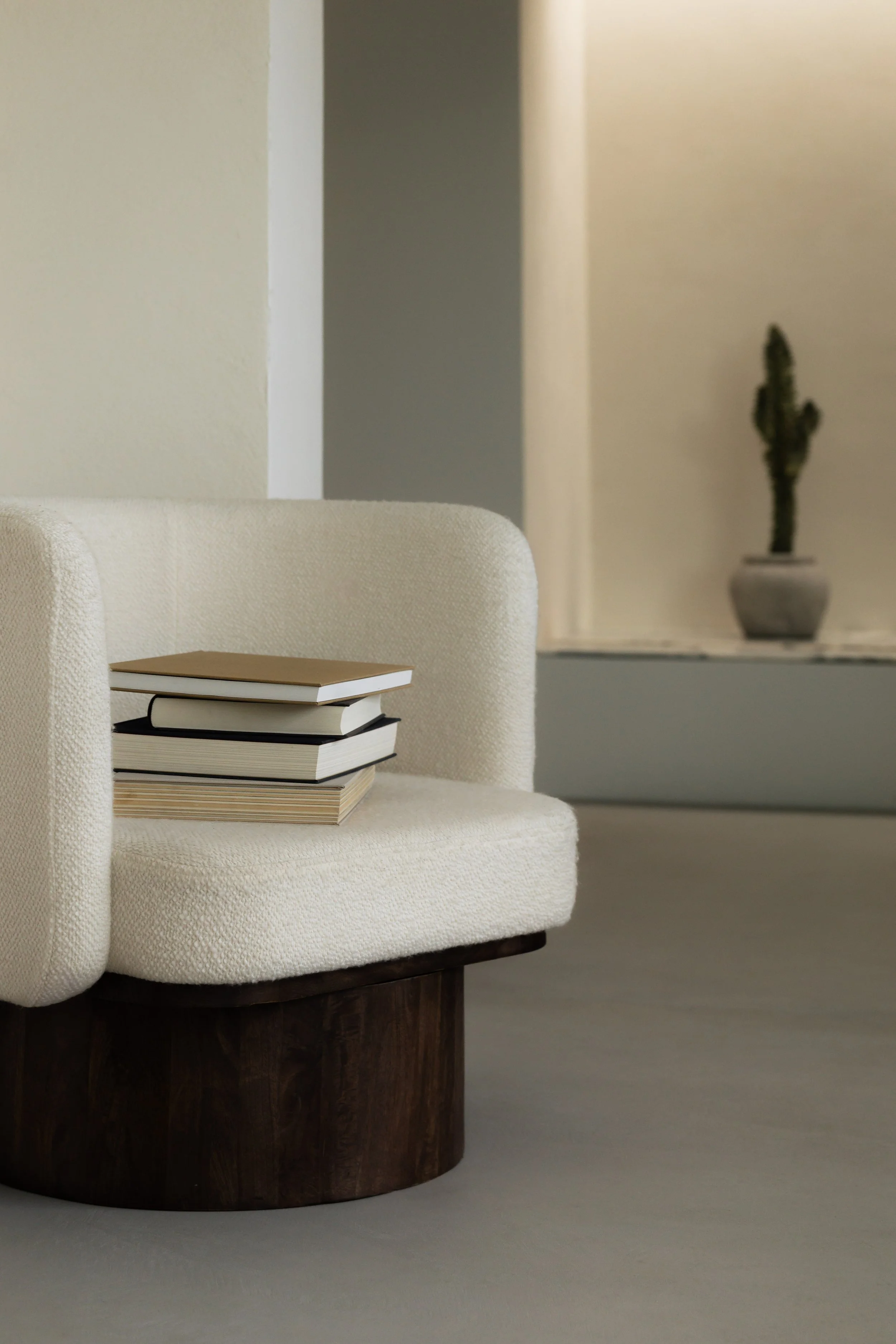
Look around your home right now. Notice any patterns or even “rhythms” you see. Did you color code your books? Stack them in order from large to small on your dresser (or maybe in a quirky alternating pattern)? What does the art on your walls say? Is it filled with organic curves, or geometric lines?
You most likely chose different rhythms and patterns for your surroundings because they felt good in your body, whether you were conscious of it or not. Some patterns read as soft, and others structured. The balance can be very soothing for a nervous system that comes home at the end of a chaotic day. Neither is good or bad. And everyone’s system has different preferences for a difference in balance. Some of us really thrive with structured patterns where everything is perfectly organized, labeled, color-coded, placed in order of size. Others of us prefer when things are more flowy. Ever feel disorganized but then realize you know exactly where everything actually is, it just looks chaotic to an outsider? That was me for years. And now I’m someone who thrives in a bit more structure in my environment, which proves what feels safe to someone can also change over time, proving there is simply no right or wrong way.
Patterns in Nature
Ah. Your morning walks on a warm breezy Summer morning. Or your feet in the sand. Yes, obviously nature is beautiful and calming, and therefore feels great. But it goes deeper than that too. Nature is overflowing with patterns.
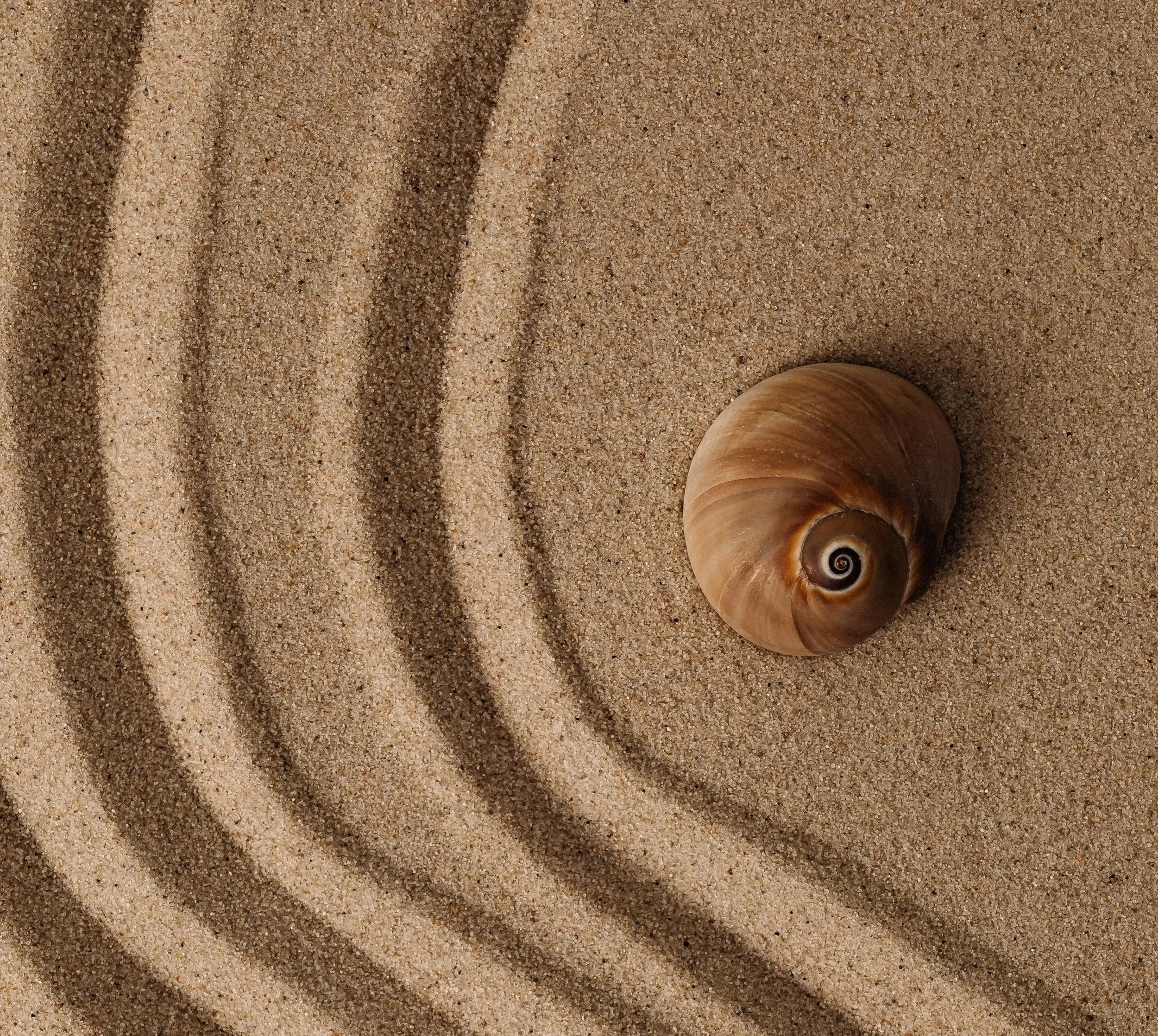
The beach alone can more than show you this. Close your eyes and listen to the waves. They move in a rhythm. You can nearly predict when the crash of the waves and subsequent foamy sizzle will happen. Bend down and pick up a shell and examine it. There are patterns of swirls and lines. And it is completely natural, from the earth. There is something inherently soothing about that. We have evolved over time with them, dating back thousands and thousands of years ago, but also from our own childhoods spent playing outside, whether in the grass or sand.
What to Notice
If all this has you wondering about the patterns and rhythms in your own life, and if they are serving you and contributing to regulating your nervous system or disrupting it, then here are some things to consider.
Just start paying attention in your own home. Where do you tend to go in order to relax when you are stressed? Why this specific place? Look around and notice things that bring you joy, peace, or any warm, fuzzy feelings. Are there colors you used in this place that promote these feelings? Maybe its the lack of color that helps soothe you. Remember, there are no wrong answers here.
Now notice an area of your home you do not spend much time in regularly. And yes, even in a small studio apartment that can mean a specific corner of the room feels energetically cold. Is there a lack of objects in the space? A lack or surplus of color? Are there chaotic patterns like disorganized items strewn about? Maybe you just never got around to making this spot cozy. Whatever the reasons, simply notice. Ask your nervous system and body what would create a warmer feeling in this space.
Reflect on your daily routines. Do you have a morning and/or evening routine? Do you even want them? If you do have them, do they feel grounding or rushed? Are you doing what you think you’re supposed to do as opposed to what you actually would love to do?
And next time you go on a walk, try picking up a leaf or rock and look for patterns. Be present and still with them and how they make your nervous system feel. And if you find something beautiful, take it home and make it part of an existing pattern. You could place a pretty stone next to your jewelry box that has flowy organic lines on it.
An End Note
The patterns we surround ourselves with become the patterns we embody.
Our homes and environments shapes our internal landscape, informing the nervous system how to feel in any given moment. Starting to notice what makes you feel good versus what makes you tense up will really give you the feedback you need to create intentional patterns in your life that bring you ease instead of stress. And we could all really use that, if you ask me.